
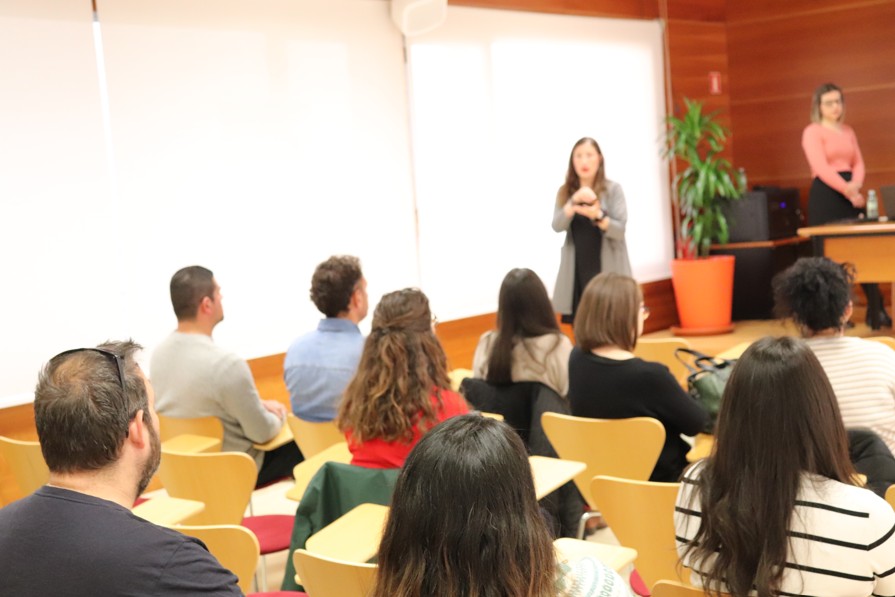
As part of the Erasmus+ Forward Looking project MASTERY – Micro-credentials Empowering Sustainable Skills, Spanish partners CETEM and AMUEBLA have successfully organised two dissemination and stakeholder engagement events linked to the implementation of the GS4 and GS5 pilot courses.
The events formed part of MASTERY’s piloting activities aimed at testing and validating innovative micro-credentials designed to support the green transition through flexible, competence-based learning pathways.
The first event focused on GS4 – “Cradle to Cradle Design”, a pilot course addressing circular design principles and sustainable product development for the wood and furniture sector. Organised during the implementation phase of the pilot, the event brought together companies, VET providers, learners and sector stakeholders interested in circular economy and sustainable innovation.
Participants were introduced to the course structure, learning outcomes and evidence-based assessment methodology used within MASTERY. The event also highlighted the project’s micro-credential framework and its potential to support lifelong learning, professional development and recognition of green competences.
The second event was organised following the completion of GS5 – “Reduce Waste and Material Outputs to Support the Green Transition of Local Ecosystems.” This final dissemination event targeted students and young learners interested in sustainability, circular economy and future employment opportunities linked to green skills.
During the session, CETEM and AMUEBLA presented the outcomes of the pilot, including the competences developed, the methodologies applied and the evidence-based assessment approach used to validate learning achievements. Participants also explored topics such as waste reduction strategies, circular economy principles, industrial symbiosis, eco-design and green technologies.
Special attention was given to the relationship between green skills and employability. Interactive activities encouraged participants to reflect on emerging labour market trends, future professions and the growing demand for sustainability-related competences across industries.
The implementation of the pilots has generated very positive results. In the GS5 pilot, most learners successfully completed the practical activities and obtained the corresponding micro-credentials and digital badges. Feedback collected from participants highlighted the value of practical learning activities, real-life case studies and the opportunity to better understand how sustainability principles can be applied in professional contexts.
Through these activities, CETEM and AMUEBLA continue playing a key role in validating the MASTERY methodology and demonstrating how micro-credentials can support reskilling, upskilling and lifelong learning processes linked to the green transition.
The successful implementation of the Spanish pilots contributes to the broader objectives of MASTERY: developing reliable, transparent and transferable micro-credentials that help learners, training providers and industries acquire the competences needed for a more sustainable and circular future.